

Selling a house with tenants in South Florida presents unique challenges and opportunities that require specialized knowledge of local laws, market conditions, and tenant relations management. Whether you’re facing financial hardship, dealing with inheritance property, going through divorce, or simply ready to exit the rental property business, understanding your options and rights as a landlord is crucial for achieving a successful outcome while protecting your interests and maintaining positive tenant relationships.
123SoldCash has been helping South Florida landlords navigate tenant-occupied property sales for over 30 years, completing more than 2,000 transactions with our A+ Better Business Bureau rating and 5-star Google reviews. Our extensive experience in Miami-Dade, Broward, and Palm Beach counties has given us unparalleled insight into the complexities of selling rental properties with tenants, from hurricane season considerations to seasonal rental patterns and complex legal requirements that affect every aspect of the transaction process.
The South Florida rental market encompasses over 1.2 million rental units, with approximately 35% of all housing stock being rental properties, creating a dynamic environment where tenant-occupied property sales occur regularly. Unlike other markets, South Florida’s unique characteristics including seasonal rental patterns, hurricane risks, international tenant populations, and complex insurance requirements create additional layers of complexity that require specialized expertise to navigate successfully. Understanding these regional factors is essential for landlords who want to maximize their property value while ensuring legal compliance and maintaining positive tenant relationships throughout the sale process.
This comprehensive guide provides South Florida landlords with everything they need to know about selling tenant-occupied properties, from understanding legal requirements and tenant rights to exploring various sale options and choosing the best strategy for their specific situation. We’ll examine traditional sale approaches, cash buyer advantages, legal compliance requirements, and practical strategies for managing tenant relations during the sale process, providing you with the knowledge and confidence needed to make informed decisions about your rental property disposition.
Understanding South Florida’s Unique Tenant-Occupied Property Market

South Florida’s rental market operates under unique conditions that significantly impact tenant-occupied property sales, including seasonal migration patterns, hurricane season disruptions, diverse international tenant populations, and complex insurance requirements that don’t exist in other markets. These regional characteristics create both challenges and opportunities for landlords considering property sales, requiring specialized knowledge and strategies to navigate successfully while maximizing property value and maintaining positive tenant relationships.
The region’s rental market composition varies significantly across Miami-Dade, Broward, and Palm Beach counties, with Miami-Dade featuring a higher concentration of high-rise condominiums and luxury rentals, Broward County dominated by single-family homes and townhouses, and Palm Beach County showing a mix of seasonal rentals and year-round housing. Understanding these market dynamics is crucial for landlords considering property sales with tenants in place, as different property types and tenant situations require different approaches and strategies.
Seasonal Rental Patterns and Snowbird Impact
South Florida’s snowbird season, typically running from November through April, creates unique market dynamics that significantly impact tenant-occupied property sales. During peak season, rental rates can increase by 25-40% compared to summer months, with many properties commanding premium rents from seasonal tenants who often pay several months in advance. This seasonal pattern creates strategic opportunities for landlords to time property sales around peak rental income periods or natural tenant transition points.
Properties with seasonal tenants present both advantages and challenges for property sales. The higher rental income during peak season can increase property values by 10-15% compared to properties with year-round tenants at lower rental rates. However, seasonal tenants may have different lease terms, payment schedules, and expectations compared to year-round tenants, requiring specialized communication and coordination during the sale process.
The international nature of many seasonal tenants, particularly from Canada, Europe, and Latin America, creates additional considerations for landlords during property sales. Language barriers, cultural differences in landlord-tenant relationships, and varying legal expectations require specialized approaches to tenant communication and coordination. Understanding these cultural dynamics helps prevent misunderstandings and ensures smooth property sale processes while maintaining positive tenant relationships.
Hurricane Season Considerations and Tenant Relations
Hurricane season, running from June 1 through November 30, significantly impacts tenant-occupied property sales in South Florida through its effects on tenant behavior, insurance requirements, property showing schedules, and overall market dynamics. The threat of severe weather affects tenant cooperation with showing schedules, creates insurance complications, and can delay or complicate property sales if storms threaten the region during critical transaction periods.
During active hurricane threats, tenant evacuation procedures and property protection measures become primary concerns that can delay or complicate property sales. Buyers may be reluctant to close during hurricane season, and tenants may be less cooperative with showing schedules due to storm preparation activities, creating timing challenges that landlords must navigate carefully. Understanding these seasonal patterns helps landlords plan property sales strategically and manage tenant expectations during hurricane season.
Property insurance requirements become more complex during hurricane season, particularly for tenant-occupied properties where coverage must be maintained continuously during ownership transfer. Insurance lapses during ownership transfer can create significant liability exposure, while changes in coverage or carriers may require tenant notification and coordination. Professional management of insurance transitions helps ensure continuous coverage and proper tenant communication throughout the process.
Market Composition and Property Types
The diversity of rental property types in South Florida creates different challenges and opportunities for tenant-occupied property sales, with single-family homes, condominiums, townhouses, and multi-family properties each requiring specialized approaches. Single-family rental homes, which represent approximately 45% of the rental market, often appeal to families with longer-term lease commitments and established community ties, creating different tenant relations dynamics compared to transient rental populations.
Condominium rentals, particularly prevalent in Miami-Dade County, involve additional complexity due to homeowners association requirements, special assessments, and building-specific rules that affect both tenant relations and property sales. HOA approval requirements for new owners, rental restrictions, and special assessment obligations can significantly impact property sales and must be carefully coordinated with tenant situations. Understanding these condominium-specific factors is essential for successful tenant-occupied property sales in high-rise buildings.
Multi-family properties present unique challenges related to multiple tenant relationships, varying lease terms, and complex property management requirements during the sale process. Coordinating multiple tenant situations, managing different lease expiration dates, and ensuring consistent communication across all units requires specialized expertise and systematic approaches to tenant relations management.
Florida Legal Requirements and Tenant Rights During Property Sales
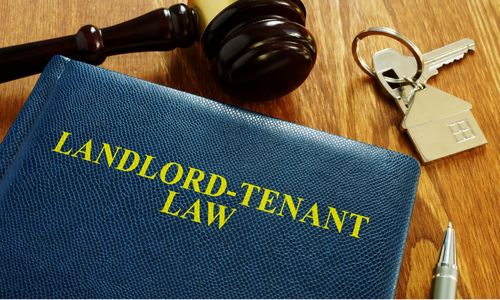
Florida’s landlord-tenant law, primarily codified in Chapter 83 of the Florida Statutes, establishes comprehensive requirements that landlords must follow when selling tenant-occupied properties to ensure legal compliance and avoid potential liability. The Florida Residential Landlord and Tenant Act provides specific protections for tenants during property sales while establishing landlord obligations that must be carefully managed throughout the transaction process. Understanding these legal requirements is essential for landlords who want to avoid costly legal disputes and ensure successful property sales.
Tenant rights during property sales are extensive and well-protected under Florida law, including the right to quiet enjoyment of the property, reasonable notice for property access, continuation of lease terms under new ownership, and proper handling of security deposits. These rights create corresponding obligations for landlords and potential buyers that must be carefully coordinated to ensure legal compliance and maintain positive tenant relationships throughout the sale process.
Notice Requirements and Legal Timing
Florida law establishes specific notice requirements that vary based on lease type and circumstances, directly impacting property sale timing and coordination with buyer expectations. For yearly leases without specific termination terms, landlords must provide 60 days’ written notice to terminate tenancy, while month-to-month leases require 15 days’ notice before the end of the monthly period. These notice requirements must be carefully coordinated with sale contracts and closing schedules to ensure legal compliance and avoid transaction delays.
Property sale notifications to tenants, while not specifically required by state law for continuing leases, are considered best practice and may be required by local ordinances in various South Florida municipalities. Providing advance notice of sale intentions helps maintain positive tenant relationships, facilitates smoother showing processes, and can prevent tenant actions that might complicate the sale. Professional property management during the sale process often includes comprehensive tenant notification procedures that exceed minimum legal requirements.
The timing of tenant notifications must be carefully coordinated with marketing activities, showing schedules, and contract negotiations to ensure that tenants have adequate notice while maintaining transaction momentum. Early notification allows tenants to adjust to the situation and can improve cooperation with showing schedules, while delayed notification may create tenant resistance and complications during critical transaction periods.
Tenant Rights to Quiet Enjoyment and Property Access
The right to quiet enjoyment represents one of the most important tenant protections during property sales, requiring landlords to balance marketing activities with tenant privacy and daily life disruption. Florida law requires landlords to provide reasonable notice, typically 12-24 hours, before entering rental properties for showings or inspections, and access must be limited to reasonable hours and frequency. Violations of quiet enjoyment rights can result in legal liability, potential damages, and tenant actions that may complicate or delay property sales.
Reasonable showing schedules typically limit property access to normal business hours and weekends, with frequency restrictions that prevent excessive disruption to tenant daily routines. Professional property management during sales often establishes regular showing schedules that provide predictability for tenants while ensuring adequate buyer access. These structured approaches help maintain tenant cooperation while facilitating effective property marketing.
Emergency access situations during property sales, such as urgent repairs or safety issues, must be handled according to Florida law while considering the impact on tenant relations and sale activities. Emergency access procedures should be clearly communicated to tenants and coordinated with ongoing sale activities to minimize disruption and maintain positive relationships throughout the process.
Security Deposit Handling and Transfer Requirements
Florida law requires specific procedures for handling security deposits during property ownership transfers, with strict compliance requirements that can result in significant liability if not followed properly. Landlords must either return security deposits to tenants before closing or transfer deposits to new owners with proper documentation and tenant notification. Failure to handle security deposits correctly can result in legal liability and potential damages up to three times the deposit amount plus attorney fees.
The security deposit transfer process requires written notification to tenants within 30 days of ownership transfer, identifying the new owner and providing new contact information for deposit-related matters. This notification must include specific language required by Florida law and must be delivered through approved methods to ensure legal compliance. Professional legal guidance helps ensure proper security deposit handling and avoid potential liability issues.
Security deposit accounting during property sales requires detailed documentation of deposit amounts, interest accrual where applicable, and any deductions for damages or unpaid rent. Accurate accounting helps facilitate smooth ownership transfer and prevents disputes between landlords, tenants, and new owners regarding deposit obligations and responsibilities.
Lease Assignment and Continuation Under New Ownership
Florida law requires new property owners to honor existing lease terms and conditions, creating automatic lease assignment that protects tenant rights while establishing new owner obligations. This legal requirement means that buyers must accept existing lease terms, rental rates, and tenant obligations as part of the property purchase, regardless of their preferences for different terms or conditions [15]. Understanding lease continuation requirements is essential for both landlords and buyers to ensure realistic expectations and proper transaction planning.
Lease assignment procedures require proper documentation and tenant notification to establish the legal relationship between tenants and new owners. Professional legal documentation helps ensure proper lease assignment and establishes clear obligations and rights for all parties involved in the ownership transfer. These procedures protect both tenant rights and new owner interests while ensuring legal compliance throughout the transition process.
Existing lease modifications or amendments during property sales require tenant consent and proper legal documentation to ensure enforceability under new ownership. Any changes to lease terms, rental rates, or conditions must be properly documented and agreed to by all parties to avoid future disputes and ensure legal compliance under Florida landlord-tenant law.
Local Ordinances and Municipal Requirements
South Florida municipalities have implemented various local ordinances that supplement state landlord-tenant law and may affect tenant-occupied property sales. Miami-Dade County requires annual rental registration for most rental properties, while various cities in Broward and Palm Beach counties have implemented specific tenant notification requirements, inspection mandates, and rental property regulations. Understanding local requirements is essential for legal compliance and successful property sales.
Municipal rental registration requirements may affect property transfer procedures and can create compliance obligations for new owners that must be addressed during the sale process. Cities like Fort Lauderdale, Hollywood, West Palm Beach, and Boca Raton have specific requirements that landlords must understand when selling tenant-occupied properties. Professional legal guidance helps identify and address local compliance requirements that may affect property sales.
Code enforcement and inspection requirements in various South Florida municipalities can impact tenant-occupied property sales by requiring compliance certifications or addressing violations before ownership transfer. These requirements may affect sale timelines and costs, making it essential for landlords to understand local compliance obligations and plan accordingly during the sale process.
Comprehensive Analysis of Landlord Options for Selling with Tenants

Landlords in South Florida have multiple strategic options for selling tenant-occupied properties, each with distinct advantages, challenges, and financial implications that must be carefully evaluated based on individual circumstances, tenant situations, and market conditions. The choice between different sale strategies can significantly impact net proceeds, transaction timeline, legal compliance requirements, and tenant relations, making it essential to understand all available options before making decisions about property disposition.
Unlike generic approaches that may work in other markets, South Florida’s unique characteristics including seasonal rental patterns, hurricane season impacts, diverse tenant populations, and complex legal requirements necessitate specialized strategies that account for regional factors. Professional evaluation of all available options helps landlords choose strategies that maximize value while minimizing risk and ensuring successful outcomes for all parties involved in the transaction.
Traditional Market Sale with Existing Tenants
Selling tenant-occupied properties through traditional real estate marketing can maximize sale price potential but involves significant complexity related to buyer financing, property showings, tenant cooperation, and extended transaction timelines. Traditional sales typically require 60-90 days or more from listing to closing, during which tenant relations must be carefully managed to maintain property condition and showing access while ensuring legal compliance with tenant rights.
The traditional sale approach works best when tenants are cooperative, properties are in good condition, and landlords have flexibility regarding timing and transaction complexity. Properties with reliable tenants paying market-rate rents can command premium prices from investor buyers who value established rental income streams. However, traditional sales face significant challenges when tenant situations are complex, properties need repairs, or landlords face time pressures related to financial hardship or other urgent circumstances.
Buyer financing challenges represent a major obstacle for traditional sales of tenant-occupied properties, as most owner-occupant loan programs require properties to be vacant at closing or within short timeframes after closing. FHA, VA, and conventional owner-occupant loans typically require buyers to occupy properties within 30-60 days of closing, creating complications when tenants have lease terms extending beyond these requirements. These financing restrictions significantly limit the pool of potential buyers and may require price reductions to attract cash or investor buyers.
Cash for Keys Tenant Buyout Strategy
Cash for keys agreements provide mutually beneficial solutions when vacant possession is desired for sale purposes, offering tenants financial incentives to voluntarily terminate leases early while giving landlords flexibility to sell vacant properties. These agreements typically involve payments ranging from one to three months’ rent, depending on lease remaining terms, tenant cooperation levels, and local market conditions. Professional negotiation helps achieve fair agreements that benefit both landlords and tenants while avoiding lengthy eviction processes.
Effective cash for keys negotiations consider multiple factors including tenant relocation costs, lease remaining terms, rental market conditions, and potential property value increases from vacant sales. In South Florida’s competitive rental market, tenant relocation can be challenging and expensive, making generous buyout offers more likely to succeed. Understanding tenant perspectives and challenges helps landlords structure attractive offers that encourage voluntary cooperation.
The timing of cash for keys negotiations is crucial for success, with early discussions often more effective than last-minute pressure tactics. Tenants need adequate time to find alternative housing and coordinate moves, particularly in South Florida’s tight rental market where quality rental properties may be scarce. Professional property management can facilitate these negotiations and help ensure successful outcomes for all parties involved.
Investor Sale with Tenant-in-Place Strategy
Selling to real estate investors who specialize in tenant-occupied properties can provide faster transaction timelines and fewer complications related to tenant situations, as experienced investors understand tenant relations and rental property management. Investor buyers often prefer properties with established rental income and reliable tenants, viewing tenant-occupied properties as immediate income-producing assets rather than complications to be resolved.
Different categories of investors have varying preferences regarding tenant situations and property conditions. Some investors prefer long-term tenants with established payment history and below-market rents that allow for future increases, while others prefer shorter-term leases that provide flexibility for property improvements or rental rate adjustments. Understanding investor preferences helps landlords position properties effectively and negotiate favorable terms.
Investor sales typically involve lower gross sale prices compared to retail sales but often result in better net proceeds when transaction costs, carrying costs, and tenant-related expenses are considered. The speed and certainty of investor sales can be particularly valuable when landlords face time pressures or when tenant situations create complications that would affect traditional sales. Professional evaluation helps determine whether investor sales provide optimal outcomes for specific situations.
Lease Expiration Timing Strategy
Coordinating property sales with natural lease expiration dates can eliminate tenant-related complications while allowing landlords to sell vacant properties that appeal to a broader range of buyers. This strategy works best when landlords have flexibility regarding sale timing and when lease expiration dates align with favorable market conditions for property sales. Understanding seasonal patterns in both rental and sales markets helps optimize timing for maximum value.
Lease expiration timing requires careful planning and coordination to ensure smooth transitions from tenant occupancy to vacant possession. Landlords must provide proper notice of lease non-renewal while coordinating with property preparation, marketing activities, and buyer expectations. Professional property management helps coordinate these complex timing requirements and ensures legal compliance throughout the process.
The benefits of vacant property sales include broader buyer appeal, easier property showings, ability to complete repairs and improvements, and elimination of tenant-related complications. However, vacant properties also involve carrying costs including utilities, insurance, maintenance, and potential security concerns that must be factored into financial analysis. Understanding the total cost implications helps landlords evaluate whether lease expiration timing provides optimal outcomes.
Partial Interest and Creative Financing Solutions
Alternative disposition strategies including partial interest sales, seller financing, and lease-option arrangements can provide creative solutions for complex tenant situations while addressing specific landlord needs and circumstances. These strategies require specialized legal and financial expertise but can provide solutions when traditional approaches are not feasible or optimal.
Seller financing arrangements can make tenant-occupied properties more attractive to buyers by addressing financing challenges while providing landlords with ongoing income streams and potential tax advantages. These arrangements require careful structuring and legal documentation but can facilitate sales that might not otherwise be possible. Professional financial and legal guidance is essential for successful implementation of creative financing solutions.
Lease-option arrangements allow potential buyers to lease properties with options to purchase, providing income continuation for landlords while giving buyers time to arrange financing and evaluate properties. These arrangements can be particularly effective when tenant situations are complex or when buyers need time to qualify for financing. Understanding the legal and financial implications helps ensure successful outcomes for all parties involved.
Financial Analysis and Market Timing for Tenant-Occupied Property Sales

The financial implications of selling tenant-occupied properties in South Florida involve complex calculations that must account for rental income continuation, property preparation costs, carrying expenses, tax implications, and market timing factors that can significantly impact net proceeds. Understanding these financial considerations is essential for landlords who want to make informed decisions about sale timing, pricing strategies, and disposition methods that maximize their return on investment while minimizing risk and transaction costs.
South Florida’s unique market characteristics including seasonal rental patterns, hurricane season impacts, and diverse buyer preferences create additional financial considerations that don’t exist in other markets. Professional financial analysis helps landlords understand the true cost and benefit implications of different sale strategies while accounting for regional factors that affect property values, transaction timelines, and overall investment outcomes.
Rental Income Impact on Property Valuation
Tenant-occupied properties with established rental income streams often command premium valuations compared to vacant properties, particularly when tenants have good payment history and rental rates at or near market levels. The presence of reliable tenants with documented rental income can increase property values by 5-15% depending on lease terms, rental rates relative to market conditions, and overall tenant quality. However, below-market rental rates or problematic tenants can negatively impact property values by 10-25% compared to vacant property valuations.
The quality of rental income significantly affects property valuation, with long-term tenants paying market rates representing the most valuable tenant situations for property sales. Properties with tenants paying below-market rents may face valuation challenges, as buyers must factor in the inability to immediately adjust rental rates to market levels. Understanding rental rate positioning relative to current market conditions helps landlords evaluate the impact of tenant situations on property values.
Seasonal rental income patterns in South Florida create unique valuation considerations, as properties with seasonal tenants may show higher rental rates during peak periods but lower annual occupancy rates. Professional appraisal and valuation analysis must account for these seasonal patterns to provide accurate property valuations that reflect true income potential and market positioning.
Cost Analysis: Tenant-Occupied vs. Vacant Property Sales
Selling tenant-occupied properties involves different cost structures compared to vacant property sales, with some expenses eliminated while others are added due to tenant coordination requirements and legal compliance obligations. Tenant-occupied sales may eliminate costs related to property staging, utility maintenance during vacant periods, and security concerns, but may incur additional expenses for tenant coordination, legal compliance, and potential tenant incentives.
Tenant coordination costs can include legal fees for lease review and transfer documentation, property management fees for showing coordination, professional cleaning and maintenance to maintain showing condition, and potential tenant incentive payments for cooperation or early termination. These costs typically range from $2,000 to $8,000 depending on property size, tenant cooperation levels, and transaction complexity. Understanding these cost implications helps landlords evaluate the net financial impact of different sale strategies.
Vacant property carrying costs include utilities, insurance, maintenance, security, and potential vandalism or damage risks that can accumulate quickly during extended marketing periods. In South Florida, vacant property carrying costs typically range from $800 to $2,500 monthly depending on property size and location. These carrying costs must be weighed against the potential benefits of vacant property sales including broader buyer appeal and higher sale prices.
Market Timing and Seasonal Considerations
South Florida’s seasonal market patterns create optimal timing windows for tenant-occupied property sales that can significantly impact both sale prices and transaction success rates. Properties sold during peak rental season (November through April) may command higher prices due to demonstrated rental income and buyer interest in immediate cash flow, while off-season sales may offer faster transaction timelines due to reduced tenant complications and buyer urgency.
The coordination of lease terms with optimal market timing requires strategic planning and may involve lease modifications, tenant incentives, or timing adjustments to align tenant situations with favorable market conditions. Professional market analysis helps identify optimal timing windows that balance rental income continuation with sale price maximization. Understanding both rental and sales market cycles enables landlords to optimize timing for maximum financial benefit.
Hurricane season timing considerations can significantly impact tenant-occupied property sales, as both buyers and tenants may be less cooperative during active storm threats. Properties listed during hurricane season may face extended marketing periods and reduced buyer interest, while tenant cooperation with showings may decrease during storm preparation periods. Strategic timing around hurricane season helps optimize sale conditions and minimize weather-related complications.
Tax Implications and 1031 Exchange Opportunities
Selling rental properties with tenants involves complex tax implications including capital gains calculations, depreciation recapture, and potential 1031 exchange opportunities that can significantly impact net proceeds and long-term investment strategies. Understanding these tax implications is crucial for proper financial planning and decision-making regarding sale timing, pricing strategies, and reinvestment opportunities.
Capital gains calculations for rental properties must account for depreciation taken during ownership, property improvements made over time, and selling expenses including real estate commissions, legal fees, and transaction costs. Professional tax planning helps optimize tax outcomes and may identify strategies to minimize tax liability through proper timing and transaction structuring. The presence of tenants can affect 1031 exchange timing and procedures, requiring careful coordination to ensure compliance with exchange requirements.
Depreciation recapture requirements apply to rental property sales and can result in significant tax obligations that must be factored into net proceeds calculations. Depreciation recapture rates of up to 25% apply to depreciation claimed during ownership, making professional tax planning essential for accurate financial analysis. Understanding depreciation recapture implications helps landlords plan for tax obligations and evaluate the true net proceeds from property sales.
Traditional Sale Challenges vs. Cash Buyer Advantages

The fundamental differences between traditional real estate sales and cash transactions become particularly pronounced when dealing with tenant-occupied properties, where conventional financing requirements, inspection complications, and buyer expectations create obstacles that can make traditional sales impractical or impossible. Understanding these differences is crucial for landlords who need to evaluate their options realistically and choose strategies that align with their circumstances, timeline, and risk tolerance while ensuring successful outcomes for their property disposition needs.
Traditional sales of tenant-occupied properties face numerous challenges that don’t exist with vacant properties, creating uncertainty, delays, and potential transaction failures that can worsen landlords’ situations. From financing difficulties to inspection issues, each aspect of traditional sales becomes more complicated when properties have existing tenants, making it essential for landlords to understand these challenges and evaluate whether traditional sales provide optimal outcomes for their specific situations.
Financing Challenges in Traditional Sales
Conventional mortgage financing for tenant-occupied properties presents significant obstacles that often make traditional sales impossible or impractical for many buyer categories. FHA, VA, and conventional owner-occupant loans typically require properties to be vacant at closing or within short timeframes after closing, creating complications when tenants have lease terms extending beyond these requirements. These financing restrictions eliminate most owner-occupant buyers from the potential buyer pool, significantly reducing competition and potentially affecting sale prices.
Properties with existing tenants face additional financing challenges related to rental income verification, lease documentation requirements, and lender concerns about property management complexity. Investment property financing typically requires higher down payments, carries higher interest rates, and involves more stringent qualification requirements compared to owner-occupant financing. These financing challenges can extend transaction timelines and create opportunities for deal failure even when buyers are initially qualified.
Appraisal challenges for tenant-occupied properties create additional financing obstacles that can derail traditional sales even when properties meet basic lending standards. Appraisers may struggle to access all areas of properties due to tenant privacy rights, may have difficulty determining accurate values for properties with below-market rents, or may assign values that don’t support agreed-upon sale prices. The complexity of appraising tenant-occupied properties creates uncertainty that can persist throughout the transaction process.
Buyer Pool Limitations and Market Restrictions

The pool of qualified buyers for tenant-occupied properties is significantly smaller than for vacant properties, creating marketing challenges and potentially limiting sale prices. Owner-occupant buyers, who represent a significant portion of the overall real estate market, are generally unavailable for tenant-occupied property purchases due to financing restrictions and occupancy requirements. This reduction in buyer competition can affect achievable sale prices and may require extended marketing periods to attract qualified purchasers.
Investor buyers who are willing to purchase tenant-occupied properties often seek significant discounts to compensate for tenant-related risks, property management complexity, and potential rental income limitations. While investor buyers may be willing to purchase properties with existing tenants, their pricing expectations may not align with landlords’ needs or market value expectations. Additionally, investor buyers may have extended due diligence periods and complex financing arrangements that can create uncertainty and delays.
The limited buyer pool for tenant-occupied properties can result in extended marketing periods, multiple price reductions, and potential transaction failures that create additional costs and complications for landlords. Understanding buyer limitations helps landlords set realistic expectations and evaluate whether traditional sales provide optimal outcomes for their specific situations and timeline requirements.
Property Showing and Marketing Complications
Marketing tenant-occupied properties requires careful coordination with tenant schedules, privacy rights, and daily routines that can significantly complicate showing procedures and limit buyer access. Florida law requires reasonable notice for property access, typically 12-24 hours, and access must be limited to reasonable hours and frequency to avoid violating tenant rights to quiet enjoyment. These restrictions can make it difficult to accommodate buyer schedules and may result in lost sales opportunities.
Tenant cooperation with showing schedules varies significantly based on tenant relationships, lease terms, and individual circumstances. Uncooperative tenants can make properties difficult to show effectively, potentially affecting buyer interest and sale prices. Professional property management during sales can help coordinate showing schedules and maintain tenant cooperation, but cannot eliminate all challenges related to tenant-occupied property marketing.
Property condition issues may be difficult to address during traditional sales when tenants are in residence, as major repairs or improvements may not be feasible without tenant cooperation or temporary relocation. Buyers may request repairs or improvements that are impractical to complete with tenants in place, creating negotiation challenges and potential transaction complications that can delay or prevent successful closings.
Cash Buyer Advantages: Speed and Certainty
Cash buyers eliminate financing contingencies and related delays, providing certainty of closing that is particularly valuable for tenant-occupied property sales. The absence of loan approval processes, appraisal requirements, and lender conditions significantly reduces transaction complexity and the potential for delays or failures. This certainty allows landlords to plan with confidence and eliminates the stress associated with financing-related transaction risks.
The speed of cash transactions typically allows closing within 7-14 days of contract execution, providing rapid resolution for urgent situations. This timeline advantage can be crucial for landlords facing financial hardship, estate settlement deadlines, or other time-sensitive circumstances. The ability to close quickly also reduces carrying costs and eliminates extended periods of uncertainty that can affect both landlords and tenants.
Cash buyers typically purchase properties in as-is condition with existing tenants in place, eliminating the need for repairs, improvements, or tenant-related negotiations. This acceptance of current property and tenant conditions removes significant obstacles that often complicate or prevent traditional sales. Landlords can avoid the cost, time, and complexity of addressing property issues or tenant situations while still achieving successful property disposition.
Professional Expertise and Risk Management
Experienced cash buyers bring specialized knowledge of tenant-occupied properties, local market conditions, and regulatory requirements that can benefit landlords throughout the transaction process. This expertise helps ensure proper handling of complex tenant situations and can provide valuable guidance for landlords navigating unfamiliar territory. Professional cash buyers understand the unique challenges of tenant-occupied properties and structure transactions to address these challenges effectively.
Cash buyers with extensive local experience understand South Florida’s unique market dynamics, including seasonal patterns, hurricane risks, tenant demographics, and regulatory requirements. This local expertise enables more accurate property evaluation and can result in fair pricing that reflects true market conditions rather than generic formulas. Local knowledge also helps ensure compliance with applicable laws and regulations throughout the transaction process.
Professional cash buyers typically have established relationships with contractors, property managers, attorneys, and other service providers that can facilitate smooth transactions and proper tenant relations management. These professional networks enable efficient handling of due diligence, documentation, and closing processes while ensuring that tenant rights are protected and all necessary requirements are met properly and promptly.
Why 123SoldCash is South Florida’s Leading Tenant-Occupied Property Specialist

123SoldCash has established itself as South Florida’s premier specialist in tenant-occupied property solutions through over 30 years of dedicated service, completing more than 2,000 transactions while earning an A+ Better Business Bureau rating and maintaining 5-star Google reviews. Our extensive experience encompasses every type of tenant situation, from cooperative long-term tenants to complex multi-family properties, providing comprehensive solutions that prioritize landlord needs while ensuring fair treatment and professional service for all parties involved in the transaction process.
Our deep understanding of South Florida’s unique market dynamics, seasonal patterns, legal requirements, and tenant demographics enables us to provide solutions that other buyers simply cannot match. From navigating complex lease assignments to understanding hurricane season impacts on tenant relations, our expertise ensures that every transaction is handled professionally and efficiently while protecting landlord interests and maintaining positive tenant relationships throughout the process.
Comprehensive Local Market Expertise
Our three decades of experience in Miami-Dade, Broward, and Palm Beach counties have provided unmatched insight into the regional factors that affect tenant-occupied property sales, including seasonal rental patterns, hurricane season impacts, diverse tenant demographics, and complex legal requirements . This local expertise enables us to accurately evaluate properties and tenant situations, understand their challenges and opportunities, and provide fair pricing that reflects true market conditions rather than generic formulas applied across different markets.
We maintain active relationships with local property managers, tenant rights organizations, legal professionals, and other service providers who specialize in landlord-tenant issues. These professional networks enable us to quickly and accurately assess tenant situations, understand lease obligations, and develop comprehensive solutions that address all aspects of tenant-occupied property sales. Our ability to coordinate professional services ensures thorough evaluation and proper handling of complex tenant-related issues.
Our understanding of local government processes, municipal ordinances, and regulatory compliance enables us to navigate complex approval processes and ensure that all transactions meet applicable legal requirements. From rental registration requirements to tenant notification procedures, we understand the regulatory landscape and can handle issues that might complicate or prevent other transactions. This regulatory expertise protects both landlords and tenants while ensuring smooth transaction completion.
Specialized Tenant Relations Management
We have developed specialized processes for handling every type of tenant situation, from cooperative long-term tenants to challenging circumstances involving non-payment, lease violations, or difficult tenant relationships. Our experience with tenant communication, lease assignments, and property transition procedures enables us to provide comprehensive solutions that address all aspects of tenant-occupied property sales while maintaining professional relationships and legal compliance throughout the process.
Our tenant communication expertise is particularly valuable in South Florida’s diverse rental market, where language barriers, cultural differences, and varying tenant expectations require specialized approaches. We understand how to communicate effectively with tenants from different backgrounds and cultures, ensuring that all parties understand their rights and obligations during the property sale process. This cultural competency helps prevent misunderstandings and ensures smooth transactions for properties with diverse tenant populations.
Our seasonal rental expertise addresses the unique challenges of South Florida’s snowbird market, including seasonal lease terms, international tenant communications, and coordination with seasonal migration patterns. We understand the timing considerations and communication requirements for seasonal tenants, enabling us to coordinate property sales around seasonal patterns while maintaining positive tenant relationships and ensuring successful outcomes for all parties involved.
Financial Strength and Transaction Certainty
Our financial strength and established funding sources enable us to provide immediate cash offers and guarantee closing within 7-14 days of contract execution, regardless of tenant situations or property conditions. Unlike other buyers who may depend on financing approval or investor partnerships, we have the resources to close transactions quickly and certainly while honoring existing lease terms and tenant rights. This financial stability provides peace of mind for landlords who need reliable solutions for urgent situations.
We provide proof of funds with every offer, demonstrating our ability to complete transactions as promised without financing contingencies or approval delays. Our transparent financial documentation and established track record eliminate uncertainty about our ability to close transactions while honoring tenant rights and lease obligations. Landlords can proceed with confidence knowing that our offers are backed by adequate resources and professional commitment to successful completion.
Our established relationships with title companies, attorneys, and closing professionals enable smooth transaction processing and timely completion even when tenant situations create additional complexity. We handle all aspects of transaction coordination, lease assignment documentation, and closing processes to minimize stress and complexity for landlords while ensuring proper tenant notification and rights protection throughout the ownership transfer process.
Transparent Pricing and Fair Market Evaluation
Our pricing process is based on comprehensive market analysis, accurate tenant situation assessment, and transparent calculation methods that ensure fair compensation for tenant-occupied properties. We provide detailed explanations of our evaluation process and pricing calculations, enabling landlords to understand how tenant situations, lease terms, and market conditions affect property values. Our commitment to transparency builds trust and ensures that landlords feel confident about their decisions.
We consider all relevant factors in our pricing analysis, including current market conditions, rental income quality, tenant reliability, lease terms, property condition, and carrying costs. Our comprehensive approach ensures that offers reflect true market value while accounting for the unique challenges and opportunities associated with tenant-occupied properties. We explain how each factor affects our evaluation and provide documentation supporting our analysis and pricing decisions.
Our offers include detailed breakdowns of rental income evaluation, market value projections, and transaction cost analysis to help landlords understand the financial implications of different disposition options. This educational approach helps landlords make informed decisions and understand why cash sales often provide better net proceeds than traditional sales when all costs, risks, and timeline factors are considered comprehensively.
Professional Service and Ongoing Support
Our commitment to professional service extends throughout the entire transaction process and beyond, providing comprehensive support that addresses both practical and emotional needs of landlords dealing with tenant-occupied property sales. We understand that selling rental properties often involves significant stress and complexity, particularly when tenant situations are challenging or when landlords face time pressures related to financial hardship or other urgent circumstances.
We maintain clear communication throughout every transaction, providing regular updates on progress, tenant coordination activities, and any issues that arise during the process. Our responsive communication style ensures that landlords are informed and comfortable throughout the process while maintaining professional relationships with tenants. We believe that clear communication is essential for successful transactions and positive outcomes for all parties involved.
Our post-closing support includes assistance with final tenant communications, utility transfers, and other transition needs that help landlords complete their property disposition successfully. We understand that selling tenant-occupied properties is often part of larger life transitions and provide support that extends beyond the transaction itself to ensure positive outcomes and successful completion of landlord responsibilities.
Frequently Asked Questions About Selling Houses with Tenants in South Florida
Q1: What are my legal obligations when selling a rental property with tenants in Florida?
Florida law requires landlords to honor existing lease terms during property sales, provide reasonable notice for property showings (typically 12-24 hours), properly handle security deposit transfers, and ensure that tenant rights to quiet enjoyment are protected throughout the sale process. You must also comply with any local municipal requirements for rental property sales, which may include tenant notifications, inspection requirements, or rental registration updates. New property owners must honor existing lease terms and conditions, meaning buyers automatically assume all landlord obligations under current lease agreements. Working with experienced professionals ensures proper compliance with all legal requirements and protects you from potential liability issues.
Q2: How much notice do I need to give tenants when selling my rental property?
While Florida law doesn’t specifically require landlords to notify tenants of property sales when leases will continue under new ownership, providing advance notice is considered best practice and may be required by local ordinances. For lease terminations, you must provide 60 days’ notice for yearly leases without specific terms, or 15 days’ notice for month-to-month leases before the end of the monthly period. Property showing access requires 12-24 hours’ reasonable notice, and showing frequency must be limited to avoid violating tenant rights to quiet enjoyment. Professional property management can help coordinate proper notice procedures and maintain positive tenant relationships throughout the sale process.
Q3: Can I sell my house if my tenants won’t cooperate with showings?
Yes, you can sell your property even with uncooperative tenants, but the process may be more challenging and may require specialized buyers who can work with difficult tenant situations. Cash buyers like 123SoldCash often purchase properties regardless of tenant cooperation levels, as they don’t require extensive showing periods or buyer financing that depends on property access. You still have legal rights to access your property for legitimate purposes including sales activities, but you must follow proper notice procedures and cannot violate tenant rights to quiet enjoyment. Professional cash buyers can often complete transactions with minimal property access requirements, making them ideal solutions for challenging tenant situations.
Q4: Will I get less money selling to a cash buyer compared to listing with a realtor?
While cash offers may be lower than potential retail listing prices, the net proceeds often equal or exceed traditional sales when all costs, risks, and timeline factors are considered comprehensively. Traditional sales involve real estate commissions (typically 6%), extended carrying costs during marketing periods, potential repair requirements, and risk of transaction failure that can result in additional costs and delays. Cash sales eliminate most transaction costs, provide certainty of closing, and can be completed in 7-14 days compared to 60-90 days or more for traditional sales. Professional financial analysis often demonstrates that cash sales provide superior net proceeds when all factors are considered, particularly for tenant-occupied properties with complex situations.
Q5: How quickly can 123SoldCash close on my tenant-occupied property?
123SoldCash can typically close on tenant-occupied properties within 7-14 days of contract execution, regardless of tenant situations or lease terms. Our cash purchasing capability eliminates financing delays, appraisal requirements, and lender conditions that typically extend traditional sales to 60-90 days or more. We handle all aspects of lease assignment, tenant notification, and legal compliance to ensure smooth ownership transfer while protecting tenant rights. This speed advantage is particularly valuable for landlords facing financial hardship, estate settlement deadlines, or other time-sensitive circumstances where quick resolution is essential for successful outcomes.
Take Action Today: Get Your Free Cash Offer for Your Tenant-Occupied Property

If you’re dealing with a tenant-occupied property situation in South Florida, waiting will only make your circumstances more challenging and limit your options. Every day of delay increases carrying costs, extends uncertainty, and may worsen your negotiating position with tenants, lenders, or other stakeholders. The complexity of tenant-occupied property sales requires professional expertise and immediate action to achieve optimal outcomes while protecting your interests and maintaining legal compliance throughout the process.
123SoldCash provides free, no-obligation consultations and cash offers that can be prepared within 24 hours of your initial contact. Our evaluation process is comprehensive yet efficient, considering all relevant factors including tenant situations, lease terms, property conditions, and market dynamics to provide fair, accurate offers that reflect true market value. We understand the urgency often associated with tenant-occupied property situations and have streamlined our processes to provide rapid response without sacrificing thoroughness or accuracy.
Contact 123SoldCash today at (786) 904-1444 or visit our website to schedule your free consultation. Our tenant-occupied property specialists are available to discuss your situation, answer your questions, and provide solutions that meet your specific needs and timeline requirements. Don’t let complex tenant situations control your future – take action today to regain control and move forward with confidence.
Our commitment to South Florida landlords extends beyond individual transactions to supporting our communities through challenging times. We understand that tenant-occupied property situations often involve personal and family challenges that extend beyond financial considerations. Our compassionate, professional approach provides not just solutions but support during difficult transitions, ensuring that all parties are treated with respect and dignity throughout the process.